
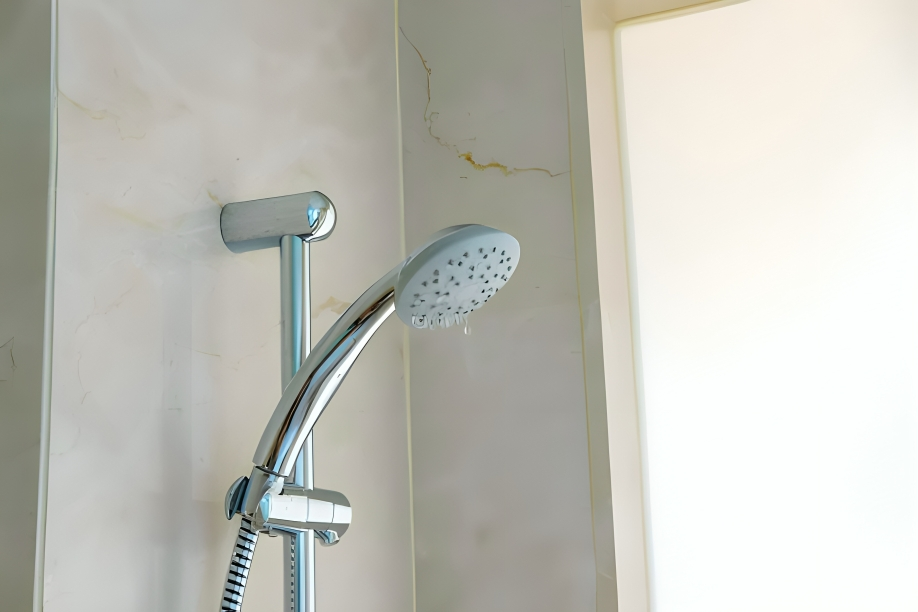
A small drip in your bathroom may seem minor at first, but it can quickly lead to bigger problems. Over time, water can damage grout, weaken floorboards, and spread into hidden structural areas. Damp patches can spread gradually and cause water stains or mould in areas that are often overlooked. In some cases, you may notice soft or unstable flooring as moisture damage worsens. Many homeowners do not notice the problem until repair costs begin to increase. Small leaks patched early can help dodge bigger headaches ahead. Tackling tiny issues today cuts chaos tomorrow.
Water leaking from your shower may be a sign of a hidden issue beneath the surface. Spotting small drips early can prevent bigger issues down the line. Water stains on walls often indicate hidden moisture damage. If the floor remains wet even when the shower is not in use, it may be a sign of a leak If tiles darken after use or stay damp for too long, water may be seeping behind them. A persistent musty smell, even after cleaning, can be a sign of trapped moisture or mould. Loose or moving tiles may indicate that water has weakened the surface underneath. That little movement hints at weakness growing beneath the surface.
Here are seven early signs that indicate you may need a leaking shower repair sooner rather than later.
1. Cracked or Missing Grout
Damaged grout can absorb moisture and allow water to seep behind the tiles. Small gaps between tiles can let water pass through to the wall or floor behind them. This hidden moisture can build up over time without being immediately visible. If left untreated, the surface beneath the tiles can begin to weaken.
What starts as a minor issue can become a much larger repair if ignored for too long. In older bathrooms, worn grout and ageing tiles are more vulnerable to water damage. Delaying repairs often leads to more serious and costly damage later on. Leaks usually get worse over time if they are not repaired early.
2. Damp or Musty Smell
A musty smell in your bathroom may be caused by mould or hidden moisture. This type of odour often suggests that water is trapped behind walls, tiles, or flooring. Even if walls look fine, water could be gathering out of sight. Water can remain hidden beneath the floor until visible damage begins to appear.
If you notice any early signs of a leak, contacting a professional early can help prevent more extensive damage
This is often one of the earliest warning signs that you may need leaking shower repairs in Sydney to prevent further damage.
3. Peeling Paint Bubbling Walls
Peeling paint or bubbling walls in the bathroom are often signs of excess moisture. When water escapes through damaged grout or seals, it can spread behind tiles and into surrounding walls.
These damaged patches are more than a cosmetic issue and may point to water damage beneath the surface. Water can travel beyond the shower area and affect nearby walls and adjoining spaces.
4. Loose or Hollow Tiles
If tiles sound hollow when tapped, it may mean moisture has weakened the adhesive underneath. When water remains trapped beneath the tiles, the surface can gradually lose its strength. Over time, this can cause tiles to loosen, crack, or lift.
Repairing the leak early can help prevent further wall or floor damage. Early repairs can stop a small issue from becoming a major one. Once the leak is repaired properly, the risk of further moisture damage is greatly reduced.
5. Mould and Mildew Appear
Tiles that remain damp for long periods create an ideal environment for mould growth. Hidden leaks behind walls may appear as soft patches, staining, or dark marks.
A damp patch may seem minor, but it can indicate deeper water damage. Acting early can help prevent the damage from spreading. If left untreated, mould and water damages can spread quickly. Small signs of moisture today can lead to major repairs later. Early repairs can save you from more extensive and expensive damage.
6. Water stains appear near walls or ceilings
Water stains may appear on nearby walls, ceilings, or rooms adjacent to the bathroom. This is a clear sign that moisture is spreading beyond the shower area. Leaks can affect areas that should normally remain completely dry.
Addressing the issue early can help keep repair costs lower. The longer you leave the leak untreated, the more serious the damage can become. Prompt repairs can reduce the extent of future damage and costs. What you do now can have a direct impact on future repair expenses. The sooner you act, the better your chances of avoiding major repairs.
7. Increased Water Bills
An unexpected increase in your water bill may be a sign of a hidden leak. Not all leaks are immediately visible, so it is important to investigate if your water usage suddenly rises. Spotting the warning signs early can help you fix the issue before it becomes more serious.
Many Sydney homeowners discover hidden leaking showers only after seeing unexpected increases in their water usage.
Early Repairs Matter
Delaying repairs can lead to timber damage, weakened structural supports, and widespread dampness. Costs climb if issues sit untouched.
“If you notice signs of water damage in unusual places, your shower may be leaking. Identifying the source of a leaking shower early can prevent more costly problems down the track. When the source of the leak is properly identified, repairs are usually more effective and long-lasting. In many cases, repairs can be completed without removing tiles. This can also help reduce unexpected repair costs. It also helps reduce disruption and saves time. With the right repair method, your bathroom can be restored quickly and effectively.
Sydney Trusted Choice
Stopping shower leaks properly takes experience, and Everseal has built that expertise over many years. Many leaking showers can be repaired without removing tiles or causing major disruption. Sydney homeowners look for repair solutions that are both efficient and long-lasting. With less mess and minimal disruption, you can get back to normal sooner. Reliable repair methods help deliver long-lasting results while protecting your home.
Take Action Before the Damage Gets Worse
If you have noticed any of these warning signs, it is best to act quickly. Delaying repairs can allow a small leak to become a much larger problem. Early action can help prevent the damage from spreading. If you suspect your shower is leaking, contact a professional team for an inspection. Visit our website to learn more about our leaking shower repair services, or contact our team today to book an inspection.
FAQ
1. What are the early signs of leaking showers?
Early signs of leaking showers include damp walls, mould growth, peeling paint, and a persistent musty smell. Spotting these issues early helps prevent more serious damage to your bathroom and surrounding areas.
2. How does leaking shower repair work?
A professional leaking shower repair typically involves sealing cracks, fixing grout, and waterproofing problem areas. Many modern methods allow repairs to be completed without removing tiles, making the process faster and less invasive.
3. How much do leaking shower repairs Sydney cost?
The cost of leaking shower repairs Sydney varies depending on the severity of the issue and the repair method used. Minor repairs are generally affordable, while extensive damage may require a higher investment.
4. Can leaking showers get worse over time?
Yes, untreated leaking showers can worsen over time, leading to structural damage, weakened walls, and increased repair costs. Addressing the issue early is always the most cost-effective solution.
5. How long does leaking shower repair take to complete?
Most leaking shower repair services can be completed within a day, especially when no tile removal is required. This ensures minimal disruption to your daily routine.
6. Why are leaking shower repairs Sydney important for homeowners?
Timely leaking shower repairs Sydney help prevent water damage, protect property value, and avoid costly renovations. Regular maintenance ensures your bathroom stays safe and functional.
7. What causes leaking showers in the first place?
Common causes of leaking showers include cracked grout, worn-out seals, poor waterproofing, and ageing bathroom materials. Identifying the root cause is essential for a long-lasting fix.