
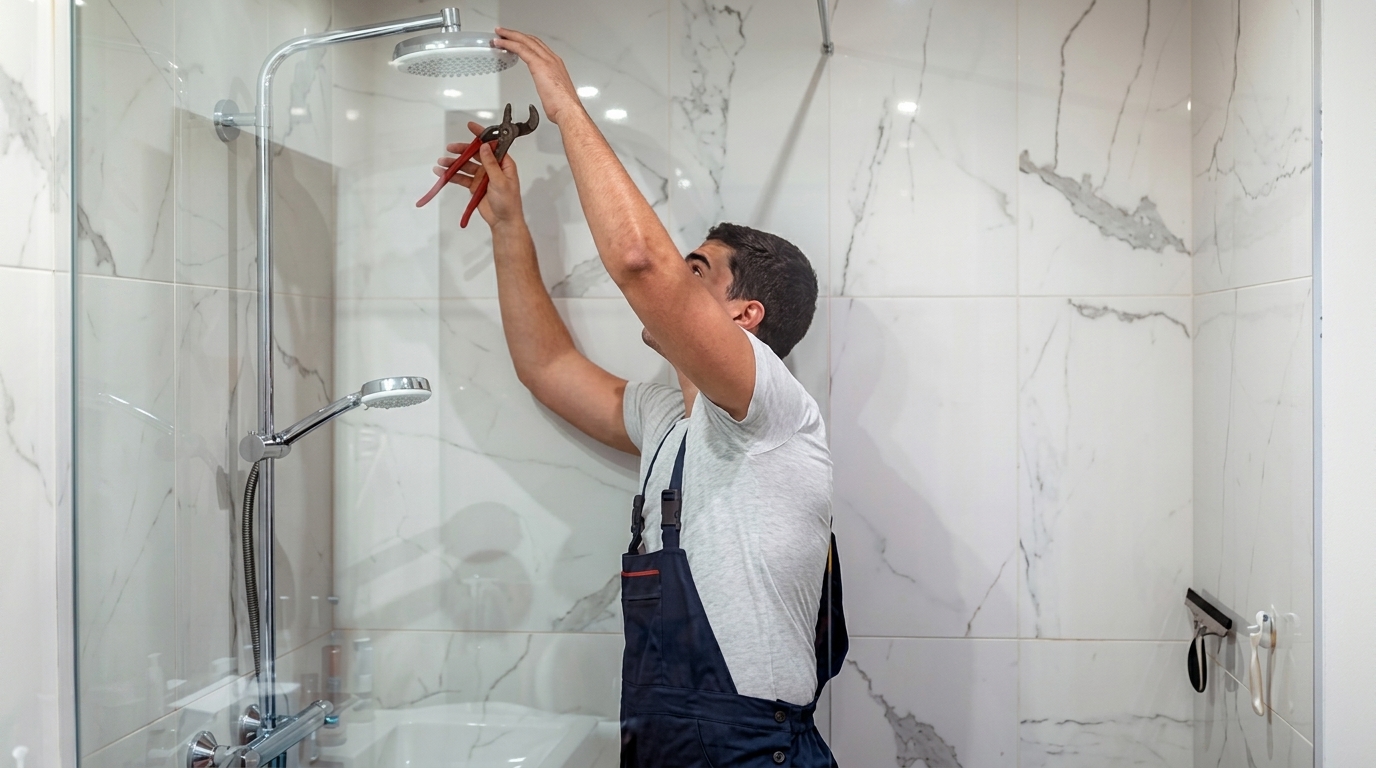
Moisture, steam, and daily use make the bathroom one of the most hardworking areas of any Australian home. Over time, even the most durable materials experience wear and tear. However, your bathroom doesn’t have to be falling apart before it needs professional attention. In many cases, issues like cracked grout, damaged silicone, loose tiles, or minor water leaks can be repaired quickly and effectively without the cost of a full renovation.
By addressing these early with targeted bathroom repairs, you can stop water damage in its tracks and restore your space without the cost and mess of a complete demolish and rebuild.
Let’s break down how to spot the signs of minor damage, when targeted repairs will save the day, and when it’s time to consider professional bathroom renovations for a complete makeover.
The Warning Signs: Simple Repair vs. Full Renovation
Knowing what your bathroom is trying to tell you can save you thousands of dollars down the track. Some issues can be handled over a weekend, while others point to deep structural faults beneath your tiles.
When a Quick Repair is Enough
Not every leaky tap or chipped tile requires a wrecking ball. If your bathroom’s underlying waterproofing is intact and the layout works perfectly for your household, a repair is usually the most logical and cost-effective path.
Many bathroom issues that appear serious are actually repairable without the cost and disruption of a complete renovation. Failed silicone, deteriorated grout, minor waterproofing defects and leaking showers can often be repaired using specialised techniques, helping homeowners extend the life of their existing bathroom while avoiding unnecessary demolition.
Common scenarios suited for repairs include:
- Minor cosmetic wear: Superficial grout discolouration, peeling paint, or outdated tapware.
- Isolated leaks: A single dripping faucet or a slightly worn shower seal that hasn’t penetrated the subfloor.
- Damaged fixtures: A cracked basin or a running toilet that can be swapped out easily without disturbing the surrounding tiling.
If your waterproofing membrane is still holding strong but your shower is starting to look a little worse for wear, targeted shower repairs are often all you need to restore your peace of mind and keep the wet area secure.
When You Need a Complete Renovation
On the flip side, some problems run too deep for a quick band-aid fix.Ignoring structural red flags can turn a simple repair into a costly project. In some cases, however, extensive structural damage means repairs alone may not be enough, and a complete bathroom renovation may be the most practical long-term solution.
You should opt for a full renovation if you notice:
- Failed waterproofing: This is the most critical issue. Signs of failed waterproofing include spongy floorboards, persistent mould behind walls, water stains on ceilings downstairs, or tiles lifting away from the floor.
- A dysfunctional layout: If you are constantly bumping elbows, lack storage, or need to accommodate a growing family, an aesthetic update won’t solve your spatial problems.
- Pervasive mould and wood rot: When dampness has penetrated the drywall, studs, or subfloor, the only safe option is to strip the space back to its bare bones and start fresh.
Evaluating the Costs: Short-term vs. Long-term
It can be tempting to choose a cosmetic band-aid to save money upfront. However, if there are underlying plumbing issues, continuously patching them up will cost you more over five years than doing a proper job once.
If your home was built or last renovated more than 15 to 20 years ago, the plumbing pipes and waterproofing are likely nearing the end of their natural lifespan. Where repairs are no longer practical, a professionally completed bathroom renovation can resolve structural issues, improve waterproofing, and extend the lifespan of your bathroom.
For homeowners in New South Wales looking to overhaul their space, partnering with a trusted professional for high-quality bathroom renovations Sydney ensures that every stage—from demolition and plumbing to waterproofing and tiling—is executed with absolute precision.
How to Make the Final Decision
Before you pick up the phone, ask yourself these three clarifying questions:
- What is my long-term plan for the property? If you plan to sell within the next two years, a high-quality cosmetic touch-up or targeted shower repair might be enough to make the space presentable. If you plan to stay for a decade, a full renovation is a worthy investment.
- Is there water damage? If moisture has seeped behind the walls, you cannot simply tile over it. The damaged material must be cut out, dried, replaced, and re-waterproofed.
- Does the current layout work? If you want to move the toilet, swap the bath for a walk-in shower, or add a double vanity, you are firmly in renovation territory.
Protect Your Home with Everseal
At Everseal, we specialise in diagnosing bathroom leaks, waterproofing failures, shower repairs, resealing and wet area restorations. If you’re unsure whether your bathroom can be repaired or requires more extensive work, our experienced team carefully assesses your bathroom and recommends the most cost-effective solution based on its condition. Contact us today to arrange an inspection and discuss the best solution for your bathroom.
FAQs
- How do I know if my bathroom waterproofing has failed?
Look for blistered paint outside the bathroom walls, a musty smell that won’t shift, cracked or missing grout, loose tiles, or water stains on the ceiling beneath the bathroom.
- Can I just tile over old tiles to save money?
While technically possible, it is rarely recommended. Laying new tiles over old ones adds significant weight, alters floor levels, and crucially, hides existing water damage or failed waterproofing underneath.
- How long does a standard bathroom repair take compared to a renovation?
Targeted jobs, like sealing or shower repairs, usually take 1 to 3 days. A complete, strip-out bathroom renovation generally takes anywhere from 2 to 4 weeks depending on structural changes.
- What is the most common cause of bathroom water damage?
Failed or degraded waterproofing membranes and deteriorated grout or silicone seals around wet areas are the leading causes of water breaching the subfloor.
- Can a leaking shower be repaired without renovating the entire bathroom?
Yes. If the leak is caused by deteriorated grout, failing silicone, or minor joint movement, specialists can reseal and regrout the area to stop the leak without removing any tiles. However, if water has caused structural wood rot or the under-tile waterproofing membrane has completely failed, the shower recess itself will need to be rebuilt.