
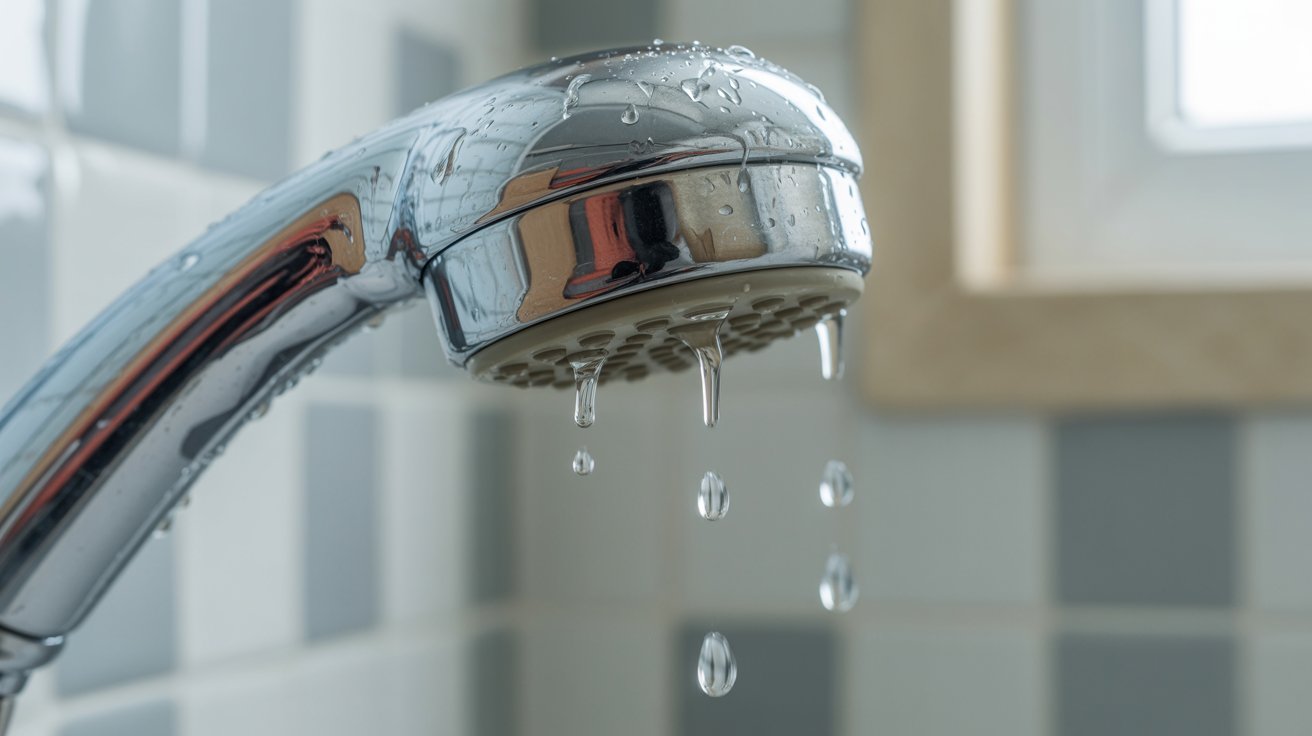
That damp patch on the wall – might not mean a burst pipe. Peeling paint sometimes has quieter causes. When moisture appears out of nowhere, panic follows close behind. Yet most times, the real issue hides in plain sight, overlooked. A leaky shower could be the true culprit – dripping slow, drop after silent drop. Wet walls do not automatically mean hidden damage is spreading. Catching it sooner shifts how things unfold. Repairs turn easier. Costs remain smaller. Fear slips away more quickly. Evidence may not lurk beneath cabinets or within stud cavities. Often, it lives just beneath ceramic squares, visible yet ignored.
Finding issues early means watching for tiny signs. Because every struggle begins somewhere different, each needs attention on its own terms. When silence breaks, leaning on those who know more makes sense.
Why It’s Important to Know the Difference
A slow leak from a wall pipe can seem just like one in the shower, although the roots of trouble differ completely. Hidden plumbing often splits or degrades slowly, forcing someone to track the damage before patching begins. In leaking showers, escaping water usually follows broken defenses – old grout breaks apart, joints lose grip, damp finds its way inward. At first sight both appear identical, still how deep things behave shifts each answer entirely.
A single misstep in judgment could lead to wasted money on pipe inspections when the true problem lurks inside the shower structure. Quick recognition of warning signs protects your wallet long before major repairs take shape.
Leaking Showers Warning Signs
Water trickling by a tile’s rim looks tiny at first glance. Still, it tends to creep inward, moving without sound through unseen spaces. Week after week, dampness gathers out of sight. Rather than bursting through, problems appear like smudges on fabric. Inside wall cavities, wood puffs up even as sealant cracks loose. Something trickles without noise most times – just a quiet change that grows. Slowly, the ground leans. The air carries a wet odor. Near the wall edge, a spot deepens in color.
Typical signs include:
- Damp or mouldy smells in or near the bathroom
- Cracked or missing grout lines
- Close to the tub, floor tiles can feel unsteady underfoot. Trouble may also hide where walls give slightly when pressed
- Peeling paint on adjacent walls or ceilings
- Water stains appearing after shower use
Dripping after a shower? That could mean bad seals, not busted pipes. Water sneaking through often comes from worn-out moisture shields. Most of the time, pros fix it without smashing tiles apart. This kind of repair cuts work hours and cost at once.
Signs of Plumbing Leaks
A single drop could murmur softly during quiet hours. Because liquid travels nonstop inside pipes, damp marks appear regardless of how chilly the bathroom feels.
Look out for:
- Constant dampness or pooling water
- Sudden increases in water bills
- Reduced water pressure
- Water noise comes through pipes even though faucets are shut
- Water stains appearing in multiple areas of the home
A hint of moisture in the air, even when nobody’s used the bathroom lately, often points to hidden pipe trouble – only someone licensed should take a close look. A pro knows how to trace it without making things worse.
The Main Change Once the Leak Shows Up
A hint worth noting? The moment it shows. Leaks from a broken shower tend to appear exactly during use – sometimes minutes later. Yet when pipes misbehave, moisture creeps out without pause. What matters is when things unfold. Noticing that makes clear what’s going on.
Oddly enough, wet bathrooms in Sydney rarely come from busted pipes. Most times, it’s old waterproofing doing the damage. Tackle the real problem early – that protects your walls without big bills. Guessing wrongly now means worse trouble later.
Acting quickly changes outcomes
Starting off tiny, issues grow without warning. Behind tiles, water slips through – seeping into walls, then floors, sometimes even spreading farther. Damp follows, feeding mold while softening wooden parts over time. Left alone, what hides gets worse, slowly piling up cost.
Leaking shower repairs sydney? The right fix starts with finding the exact weak point before damage spreads. Rather than ripping out walls, most solutions target only what’s damaged. Spot treatment brings it back without chaos. Leaks slip through tiny gaps – trained eyes catch them early. Modern methods skip demolition, using precise sealants instead. Early harm slows if you reach out to someone familiar with the mess. Quiet accuracy matters more than fixing everything up.
Choosing How to Repair Things
A drop now and then won’t bring the whole thing crashing down. Leaking showers? Try new caulk where walls meet, fill in broken grout seams, or repair damp shields behind tiles – tiles stay put through it all. Shut off water less often. Costs shrink without fuss.
Right away, the person on the job decides if leaks get caught early. Instead of smashing walls, Everseal chooses routes that leave your bath intact while stopping wet spots. The big thing? A tidy fix, quick, with no shattered tile mess. Moves come from years behind them, so there is no trial and error when gear appears.
Protect Your Home by Fixing Leaks Early
A drip in the wall might just be steam playing tricks, yet knowing which sign means trouble helps you save dollars, lowers stress. Water appears post-shower? Pay close attention there. Catching hints early prevents tiny leaks becoming floods later on.
Avoid guesswork when water keeps finding its way out. Head to Everseal’s main site for clear details on leaking shower repair the right way. Someone from the crew could check it firsthand – reach out using the contact section whenever ready.