
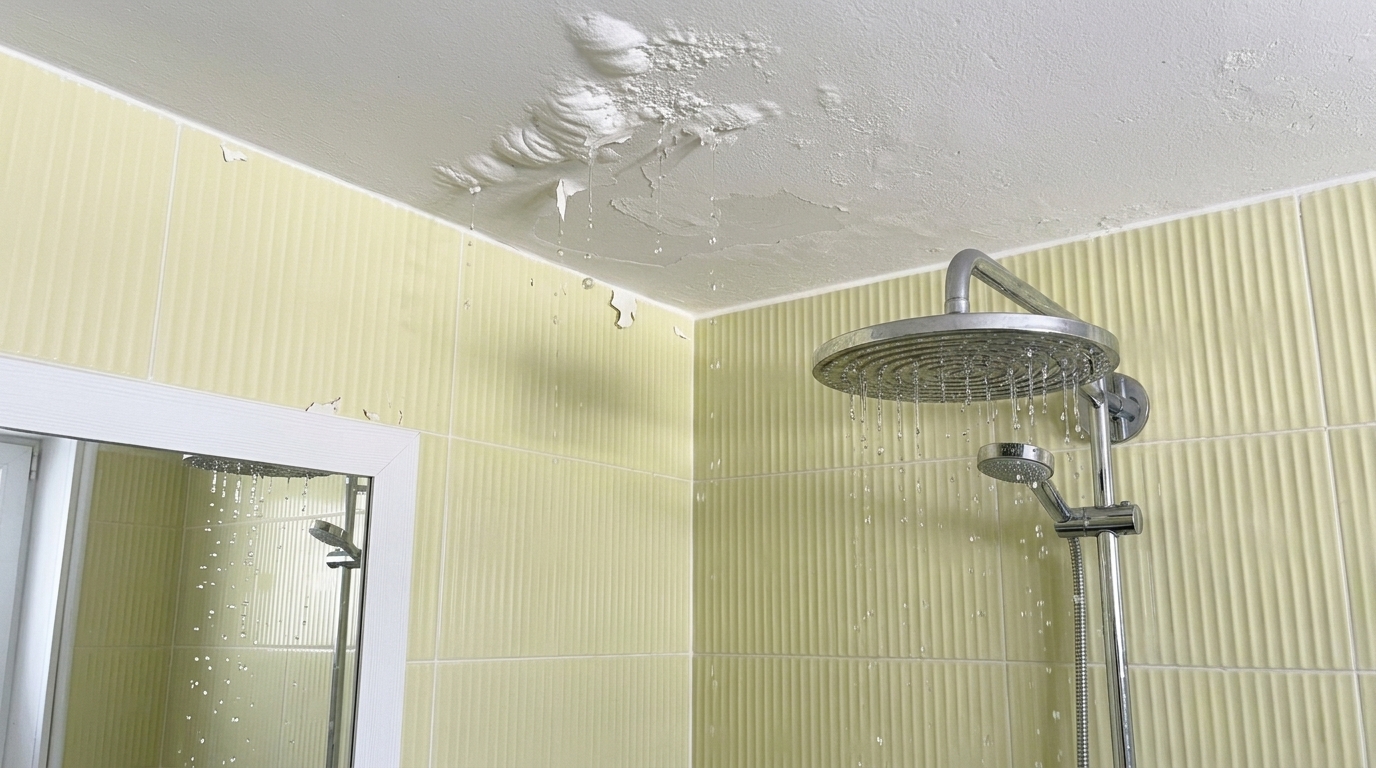
As the temperature drops and winter settles across Sydney, many homeowners begin noticing bathroom issues that were less obvious during the warmer months. Increased moisture, condensation, and daily shower use can place additional pressure on existing grout, silicone, and waterproofing systems. If you have been ignoring a minor drip or a bit of dampness, you might find things deteriorate quickly as the cooler months set in.
It is not just your imagination bathroom leaks often worsen during a Sydney winter. Understanding the warning signs and acting early can help prevent costly damage. With Everseal’s proven leak repair solutions, you can stop leaks at the source and protect your bathroom from further deterioration.
Why Winter Makes Bathroom Leaks Worse and How to Spot the Signs
Bathrooms are naturally exposed to moisture every day. During winter, the combination of colder temperatures and increased humidity creates the perfect environment for hidden leaks to escalate.
When warm steam from showers meets cold surfaces, condensation forms more frequently. This excess moisture can seep into cracks, damaged grout lines, and weakened seals around showers. If a leak already exists, winter conditions often accelerate the spread of water into surrounding walls, floors, and adjoining rooms.
Many Sydney homeowners don’t discover water damage until visible signs appear and winter is the perfect time to check. Look out for:
- Damp or discoloured walls
- Cracked or missing grout
- Loose tiles
- Water stains on ceilings below upstairs bathrooms
- Persistent musty smells
- Peeling paint near shower areas
If you notice any of these issues, arranging a professional leaking shower repair sooner rather than later can prevent more extensive damage.
The Hidden Risks of Leaking Showers
One of the most common sources of bathroom water damage is leaking showers. Even a small leak can allow water to penetrate behind tiles and into the building structure.
Over time, trapped moisture can lead to:
- Mould and mildew growth
- Deterioration of wall and floor materials
- Damage to timber framing
- Loose or cracked tiles
- Increased repair costs
In many cases, these warning signs can be addressed through professional bathroom repairs in Sydney before they develop into more significant structural issues.
The Role of Shower Sealing in Long-Term Protection
It’s worth understanding that shower sealing is not just a reactive repair—it is an important preventative measure that helps protect your bathroom from ongoing moisture damage. Over time, grout and silicone naturally deteriorate, so regular inspections and resealing can help prevent future leaks. Investing in professional shower repairs and maintenance is far more cost-effective than dealing with extensive water damage to walls, floors, or structural elements. Proper shower sealing not only prevents visible leaks but also protects hidden areas of your home from long-term moisture damage.
A professionally sealed shower can help:
- Prevent moisture penetration
- Reduce mould growth
- Protect walls and flooring
- Improve bathroom longevity
- Maintain property value
For residents looking for reliable leaking shower repairs Sydney services, early intervention is often the most cost-effective solution.
What Does Bathroom Leakage Repair Actually Involve?
Many people assume that fixing a leaking bathroom means ripping out tiles and starting from scratch. The good news is that’s often not the case.
Modern bathroom leakage repair techniques when carried out by a qualified professional can resolve most leaks without the need for full demolition. The approach depends on what’s causing the problem, but it often includes:
- Removing and replacing deteriorated grout with waterproof grout
- Cutting out and reapplying silicone sealant at all wall-to-floor and wall-to-wall junctions
- Applying penetrating sealers or grout sealants to restore water resistance
This is where shower resealing comes in as a highly effective and cost-efficient solution. Rather than replacing your entire shower enclosure, a proper reseal addresses the root cause of the problem failed sealant and grout and restores your shower’s waterproof integrity.
Protect Your Bathroom This Winter with EVERSEAL
Bathroom leaks rarely resolve themselves, and Sydney’s winter conditions can quickly turn a minor issue into a costly problem. At EVERSEAL, we specialise in non-invasive leaking shower repairs that stop leaks at their source without the need to remove tiles. Our experienced team carefully assesses each bathroom, identifies the underlying cause of the leak, and delivers reliable, long-lasting solutions.
If you’ve noticed damp walls, mould growth, cracked grout, or signs of a leaking shower this winter, don’t wait for the damage to spread. Contact us today for professional leaking shower repairs in Sydney and discover how our non-invasive repair solutions can restore your bathroom without removing tiles.
FAQs –
- Can a leaking shower cause structural damage?
Yes. If left untreated, water from a leaking shower can seep behind tiles and into walls, floors, and structural timbers, potentially causing significant damage and increasing repair costs over time.
- Do leaking shower repairs always require tile removal?
Not necessarily. Many modern leaking shower repair methods are non-invasive and can effectively stop leaks without removing existing tiles, making the repair process faster and more cost-effective.
- Is mould in the bathroom always a sign of a structural water leak?
Not always. Mould can result from poor ventilation and excess moisture, especially during winter. However, persistent mould around shower bases, tile joints, or adjoining walls may indicate an underlying bathroom leak that requires professional attention.
- How can I improve bathroom ventilation during winter?
Run your exhaust fan during and for 15–20 minutes after showering, and leave the door slightly open to improve airflow. If you don’t have an exhaust fan, wipe down wet surfaces after use to reduce excess moisture and help prevent water from seeping into grout and seals.
- How often should I have my shower resealed?
Most industry professionals recommend having your shower inspected and resealed every 8 to 10 years. However, if you notice early warning signs such as cracking grout, peeling silicone, or mild dampness, it’s worth arranging an inspection sooner. Preventative maintenance is always more affordable than repairing extensive water damage.